Hearing aid fittings have come a long way through the years. At one point, adjustments were mainly based on patients’ descriptions of what they heard and what the software predicted they would hear. This method was often helpful, but not every time. The introduction of live speech mapping revolutionized this scenario, as it gave a continuous display of how the sound is transmitted to the eardrum.   

The Power Of Real-time Feedback

Classical hearing aid programming usually requires subjective feedback as one of the major indicators. A user could state that the voices are all sounding distant or that the music is overly sharp. However, describing sound is difficult, and everyone has a different hearing perception. Live speech mapping functions like a translator between the two parties. It determines the real sound levels that the hearing aids provide inside the ear canal when speech is played.

This ongoing visual feedback informs both the patient and the professional about how near the amplification is to the intended prescription. Rather than being a trial-and-error situation, it becomes a process that is guided by the technician.  

The Significance Of Speech Over Tones

Speech indeed has more intricacies than just the use of test tones. It has its loudest and faintest sounds, and those rapid shifts determine the defined merging and understanding. With speech, a clearer picture of how well the hearing aids are coping with the very sounds that matter in daily life, the conversation, laughter, or even the TV across the room comes out.

Live speech mapping not only tells if hearing aids are functioning, but rather it tells how the aids restore speech audibility in the frequencies most associated with the understanding of words. That concern with real-world sound makes the adjustment process way more significant than just running a series of beeps or conducting volume checks.

A Patient’s Confidence Increases

One of the underrated benefits of live speech mapping is the trust that it generates. A lot of people who are new to hearing aids usually doubt whether what they are hearing is sufficient. The display of speech patterns on a screen, the visual proof of the hearing aid amplifying at just the right place, boosts the confidence of the user right away.

This kind of reassurance often results in higher satisfaction and a longer user duration. Patients get to know the reason a device sounds that way, and professionals get to use visual evidence in explaining even the smallest changes. That openness transforms the fitting into a collaborative process rather than a technical, one-sided adjustment.

Fewer Follow-ups, Better Comfort

Follow-up appointments are expected during the whole hearing aid fitting process; however, only feedback-based adjustments can make it take several times. Live speech mapping is the method that gets rid of that cycle. By indicating the trouble areas during the first fitting, the professional is able to perform the necessary alterations instantly.

Thanks to this accuracy, fewer visits are required for volume adjustments or clarity problems. Furthermore, it usually takes longer for such patients to get to the point of abandoning their devices due to the frustration that might have been caused by improper fitting.  

A Closer Look Inside The Process

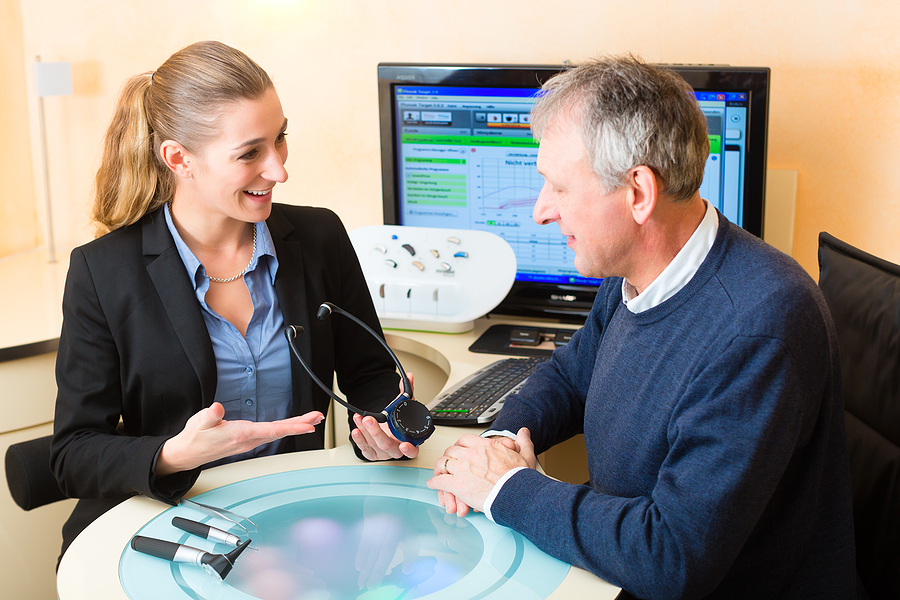
The process of live mapping speech requires a thin probe microphone inserted gently into the ear canal, together with the hearing aid. The system facilitates playback of recorded speech while at the same time measuring how the amplified sound travels to the eardrum. The results are indicated on the monitor in real-time, reflecting where speech sounds are positioned in relation to normal hearing ranges.

The technician can modify gain, compression, or frequency settings while the screen reflects live updates. The patient is listening to the changes as they occur; thus, consensus on what is clear and comfortable is reached more easily.  

Moving Towards Personalised Hearing Care

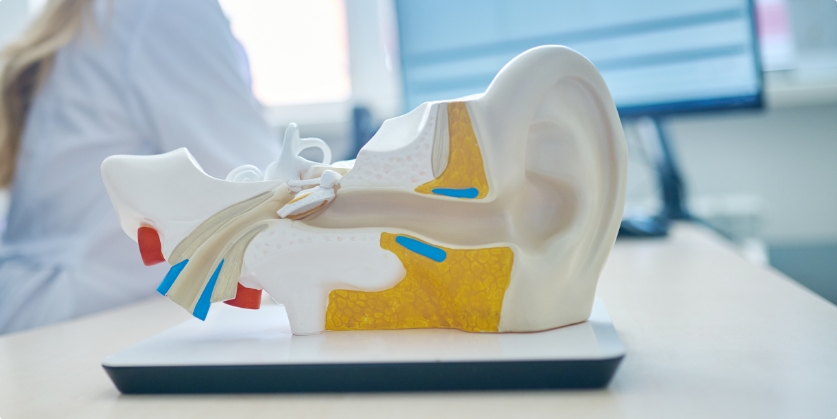
The latest hearing technology is about amplifying sounds but also delivering precise sound. Live speech mapping resonates very well with this objective. It guarantees that every hearing aid is tailored to the individual who wears it, taking into consideration the unique anatomy of the ear, the acoustics of the canal, and the particular patterns of hearing loss.

The use of live speech mapping in clinics is a sign of superior patient care and offers measurable performance proof. Reach out today for more.