Noise-induced hearing loss often feels like something that happens to other people. It gets linked to factories, concerts, or jobs that seem far removed from everyday life. In reality, loud sound exposure is common in everyday routines. Power tools, lawnmowers, traffic, and prolonged loud environments all add up.

Unlike sudden injuries, noise-related hearing damage usually grows quietly, without pain or warning signs that demand attention. Understanding how this type of hearing loss develops and how it shows up can change the way sound fits into daily choices and long-term well-being.

Loud Sound Shows Up in Ordinary Places

Noise-induced hearing loss does not require extreme situations. It often begins in familiar settings where sound feels normal and even enjoyable. Music played at high volume, loud weekend projects, and frequent exposure to traffic noise can all strain hearing. Because these sounds blend into routine life, their impact often gets overlooked.

Repeated exposure is the primary risk. A single loud moment may fade from memory, but repeated exposure chips away at hearing over time. Damage happens gradually, and early changes rarely feel dramatic. This slow buildup makes noise-induced hearing loss easy to ignore until communication becomes harder than expected.

Hearing Damage Does Not Always Feel Immediate

One of the most confusing aspects of noise-related hearing loss is the delay between exposure and noticeable symptoms. Ears do not always ring or feel uncomfortable right away, even when damage is occurring. In many cases, hearing seems fine after loud events, which creates a false sense of safety.

Over weeks or years, subtle changes appear. Speech may sound less clear. Background noise becomes more distracting. Certain pitches fade before others. Because the change feels gradual, many people adapt without realizing what has been lost. By the time hearing trouble becomes obvious, permanent damage has often already occurred.

Music and Technology Play a Growing Role

Personal listening devices have changed how sound fits into daily life. Music, podcasts, and videos travel everywhere now, often through earbuds that sit close to the ear. While these devices offer convenience, they also increase the risk of prolonged loud exposure without clear limits.

Volume levels creep up easily, especially in noisy environments. Long listening sessions feel harmless, yet they place steady pressure on hearing. Noise-induced hearing loss linked to personal technology is increasingly seen in younger adults, changing the belief that hearing loss only affects older adults.

Work and Hobbies Contribute More Than Expected

Many jobs involve sound exposure that feels manageable at the moment. Construction sites, manufacturing floors, landscaping, and entertainment venues all carry noise risks. Even with safety rules in place, consistent exposure can still add up, especially when protection feels inconvenient.

Hobbies tell a similar story. Motorcycles, hunting, woodworking, and fitness classes often involve sound levels that strain hearing. Enjoyment and focus can overshadow awareness of volume. Over time, these activities leave lasting marks on hearing that surface long after the noise fades.

Noise-Related Hearing Loss Changes Communication First

The earliest signs of noise-induced hearing loss often appear in conversation. Speech seems less sharp, especially in busy places. Certain consonants blur together, making words harder to follow, even when voices sound loud enough.

This shift leads to more mental effort during conversations. Listening becomes tiring. Group settings feel frustrating. Many people blame background noise or assume others are mumbling. Few connect these struggles to past sound exposure, which delays action and prolongs difficulty.

Prevention and Support Shape Long-Term Outcomes

Noise-induced hearing loss cannot be reversed once permanent damage occurs, yet its impact can be reduced through awareness and timely support. Small adjustments in daily habits often protect hearing without sacrificing enjoyment. Recognizing risky sound levels allows for better choices before damage builds.

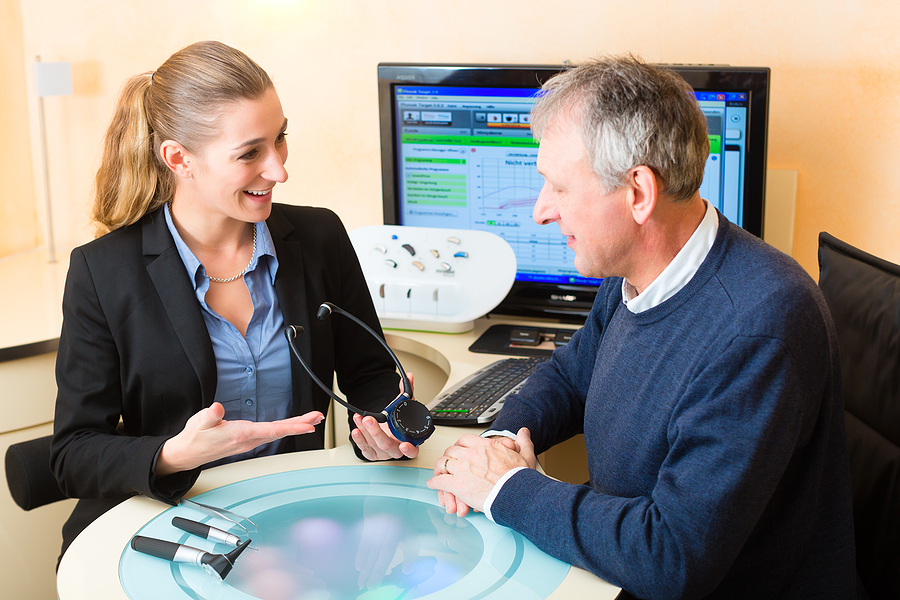
Hearing health professionals offer evaluations that clarify hearing changes and explain options for support. These conversations help connect past sound exposure with present challenges. Reaching out early creates room for planning, protection, and improved communication.