Hearing loss often happens so slowly that people hardly notice the change until conversations sound muffled. While aging and genetic factors play natural roles, daily choices exert an even bigger impact on ear wellness over time. Small actions during morning routines, work hours, or relaxing evenings can gradually stress delicate inner ear structures without causing immediate physical pain.

Understanding how common routines harm hearing sensitivity empowers individuals to make smarter lifestyle choices. Simple adjustments to daily routines protect ear health and keep acoustic details crisp for years to come.

Using Cotton Swabs Inside The Ear Canals

Cotton swabs remain a popular item in many bathroom cabinets, yet putting them into the ear canal creates significant hazards. Earwax naturally moves outward to collect dirt, dead skin, and small particles while lubricating the sensitive ear lining. When cotton swabs push inside, the soft tips press earwax deeper against the eardrum, forming hard blockages that dampen sound vibrations.

Furthermore, improper insertion risks scratching fragile tissues or puncturing delicate membranes, which can lead to painful infections. Cleaning ears simply requires wiping the outer surfaces with a damp washcloth after shower time, allowing the inner structures to clean themselves safely.

Listening To Headphone Sounds Above Sixty

Personal audio devices bring music directly into the ears, but high volume levels create severe hidden risks for long-term sound perception. Miniature speakers rest extremely close to eardrums, blasting intense sound waves that flatten hair cells inside the inner ear. Once microscopic hair cells sustain heavy damage from excessive volume, the body cannot rebuild or replace them.

Maintaining audio volume at or below 60% helps protect these delicate sensors during daily listening sessions. Taking frequent listening breaks gives tired ear structures the necessary recovery time, preserving clear sound perception and preventing permanent ringing sensations from developing over time.

Ignoring Ear Protection In Loud Settings

Loud household appliances, power tools, lawn mowers, and busy traffic environments regularly produce noise levels high enough to harm inner ear mechanics. Exposure to loud environments for extended periods drains sensory cells, leading to subtle yet permanent hearing loss over time.

Many individuals skip wearing protective earplugs during noisy weekend chores or crowded events because sound levels seem manageable at the moment. However, damage accumulates silently without warning signs. Wearing simple foam earplugs or comfortable protective earmuffs during loud tasks blocks dangerous sound energy, ensuring delicate auditory pathways remain functional.

Smoking Cigarettes Plus Consuming Tobacco

Tobacco use damages circulatory health, which directly hurts the tiny blood vessels that nourish inner ear structures. Nicotine and carbon monoxide reduce oxygen levels throughout the bloodstream, starving delicate ear cells of the nourishment required to transmit sound signals accurately to the brain. Over time, restricted blood flow accelerates sensory cell damage and speeds up auditory decline.

Additionally, toxic chemicals in tobacco smoke disrupt neurotransmitters responsible for carrying sound messages along auditory nerves. Quitting tobacco products restores healthier circulation, improves oxygen delivery to inner ear tissues, and slows down age-related hearing loss over time.

Skipping Annual Hearing Health Evaluations

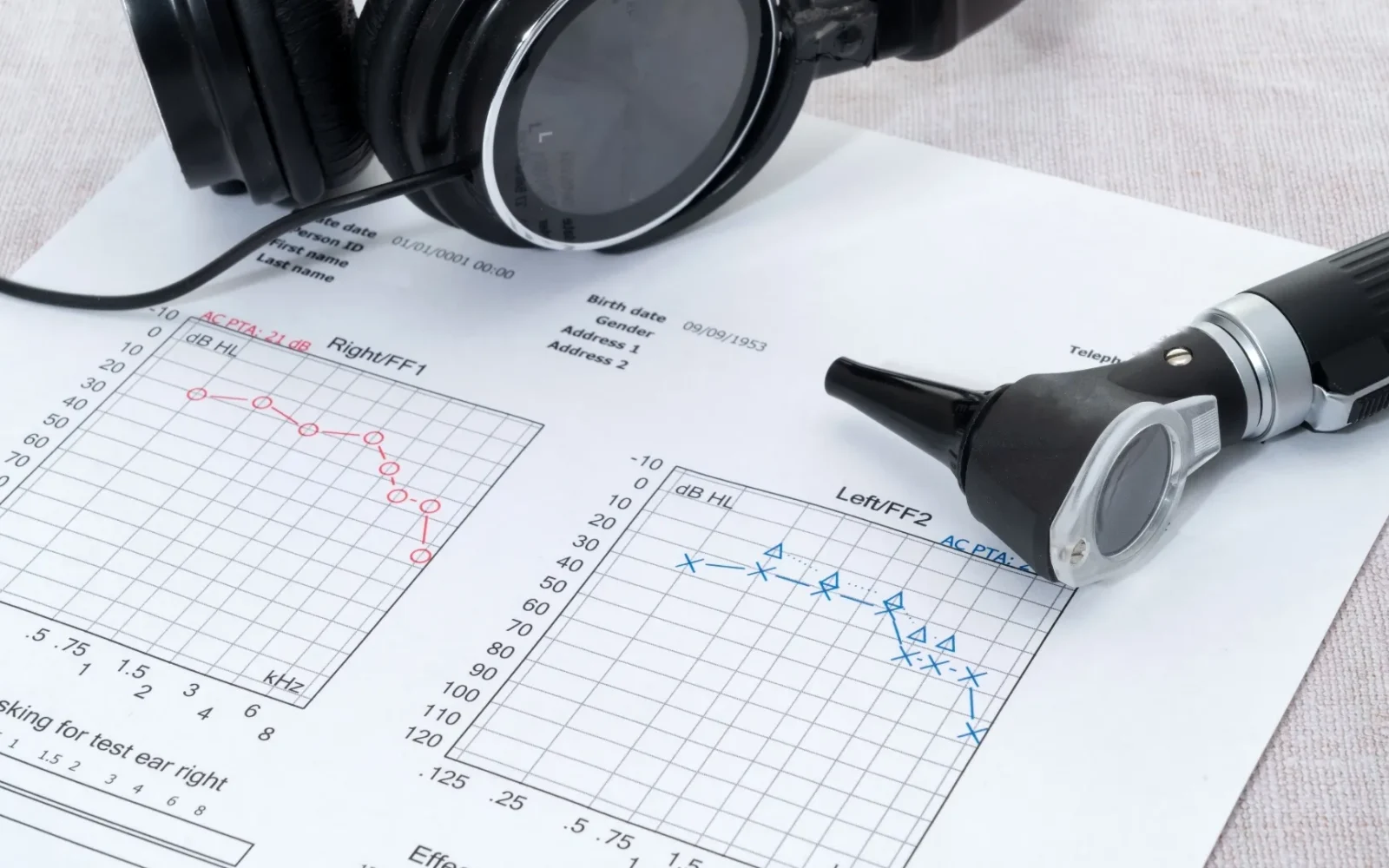
Many individuals regularly schedule visits with dentists and eye doctors while completely neglecting routine hearing health checks. Hearing changes usually happen gradually, making subtle losses difficult to spot without diagnostic equipment. Postponing routine ear evaluations allows minor acoustic shifts to develop into severe communication difficulties before proper intervention occurs.

Regular testing establishes baseline measurements, allowing hearing health professionals to spot subtle changes early and offer effective strategies. Early detection prevents unnecessary strain on cognitive processes and protects social connections. Scheduling periodic hearing evaluations ensures that small issues receive prompt attention, preserving clarity across every stage of adulthood.

Protecting Hearing Wellness Starting Today

Protecting sound perception requires making mindful choices each day and addressing harmful habits before permanent damage occurs. Tiny changes in daily routines, such as turning down personal audio devices, wearing ear protection around loud noise, and ditching cotton swabs, yield massive long-term benefits.

Prioritizing hearing wellness keeps life rich with clear conversations and favorite songs. We can help protect that important connection to the world. Contact the practice today to schedule a comprehensive evaluation and get the right support for long-term health.