Aging brings a wealth of life experience, but it also alters the way human bodies process the surrounding world. Most individuals notice gray hair or changing eyesight over time, yet the gradual shift in hearing often flies under the radar for too long. Your hearing undergoes a natural evolution that involves much more than just a drop in overall volume.

Understanding these biological shifts helps people view age-related hearing change not as a sudden failure but as a standard physiological process. By examining how hearing matures, individuals can better handle their personal wellness with clarity and confidence.

Inner Ear Cell Loss Impacts Clarity

The tiny hair cells inside the cochlea act as the gatekeepers of sound translation for the brain. Over the decades, these delicate microscopic structures experience wear and tear from everyday life events and natural cellular aging.

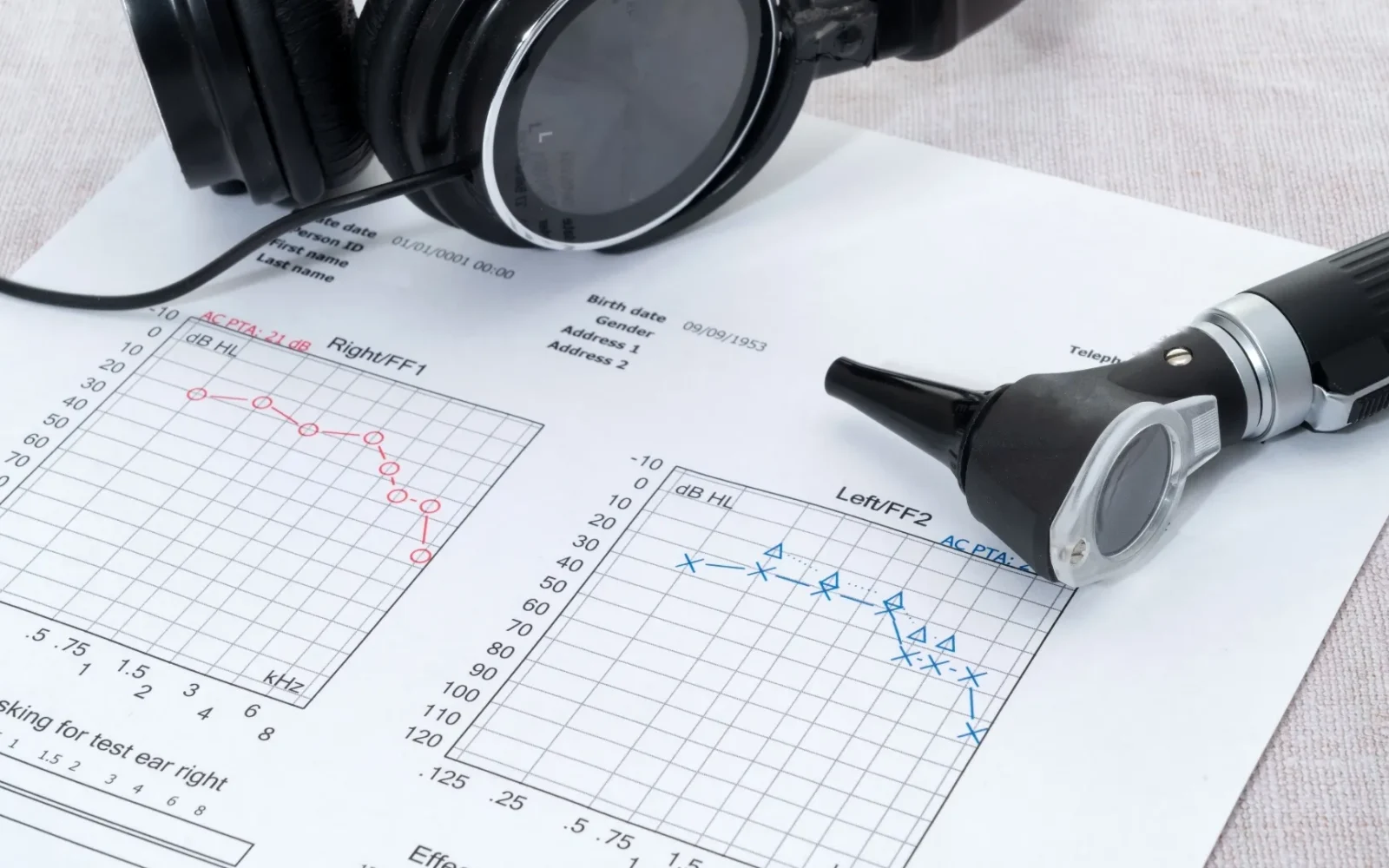
When these specific cells decline, people typically lose the ability to detect high-frequency sounds first, which makes speech sound incredibly muffled. This specific change explains why someone might hear the thrum of a bass guitar perfectly fine but struggle to catch the soft consonants in a grandchild’s bedtime story.

Nerve Pathways Slow Down Sound Signals

Beyond the inner ear mechanism, the auditory nerve serves as the data highway connecting the ear directly to the brain. Aging naturally affects the insulation around these nerve fibers, which can slightly delay the transmission of electrical impulses. This subtle slowdown means that even if the ear captures a sound, the brain receives the data just a fraction of a second later than it used to.

Consequently, following fast-paced conversations in crowded environments becomes an exhausting mental workout because the neural highway faces a minor data bottleneck. The auditory processing system simply requires a bit more time to organize the incoming data.

Stiffening Mechanisms Dampen Vibration

The middle ear houses three tiny bones that must vibrate freely to pass sound waves along efficiently. As time marches on, the joints connecting these small bones can stiffen, much like joints in the knees or fingers do. This structural stiffness means the entire mechanical chain becomes less responsive to soft acoustic vibrations entering the ear canal.

When the mechanical parts do not move with their original flexibility, the strength of the sound wave diminishes before it ever reaches the inner nerve pathways. This purely mechanical change reduces the natural amplification that young, flexible ears automatically provide every day.

Brain Processing Changes Group Speech

Hearing actually happens in the brain, specifically within the auditory cortex, where sound receives its true meaning. As the brain matures, its natural ability to filter out background noise while focusing on a single voice begins to decrease. This cognitive shift makes it difficult to separate a friend’s voice from the clatter of silverware in a busy neighborhood restaurant.

The central auditory system struggles to group similar sound waves together effectively, leaving the listener feeling overwhelmed by a wall of competing noise. It is a processing challenge rather than a simple problem with the ears themselves.

Blood Flow Reductions Starve the Ear

Hearing requires a constant supply of oxygen-rich blood to keep its highly sensitive parts working optimally. As blood vessels naturally narrow or lose elasticity with age, the microscopic capillaries supplying the inner ear receive less circulation overall. This subtle reduction in blood flow starves the energy-hungry hair cells of the nutrients they need to recover from daily acoustic stress.

Over time, diminished vascular support accelerates the aging process within the cochlea, making the entire hearing system more vulnerable to decline. Maintaining healthy circulation throughout the body directly supports the longevity of these delicate pathways.

Simple Habits Maintain Auditory Wellness

Prioritizing hearing health is one of the best ways to protect meaningful social connections and long-term quality of life. Small daily habits, like wearing ear protection during loud activities or keeping background music down, preserve these delicate internal structures. However, scheduling regular hearing evaluations provides the data needed to monitor changes before they affect daily conversations.

If speech sounds less clear or conversations feel strained, this practice can help. Please reach out to schedule a comprehensive consultation this week. Taking this step ensures everyday communication stays vibrant, sharp, and connected.