Earwax often gets a bad reputation, but this sticky substance actually serves as a natural defense system for the ears. It traps dust, prevents infections, and keeps the delicate skin of the ear canal from becoming too dry. Problems only arise when the wax accumulates faster than the body can shed it, leading to a stubborn blockage.

This buildup frequently happens because of narrow ear canals or the unfortunate habit of using certain tools to clean the ears. When a blockage settles in, it can create a frustrating barrier between a person and the world of sound around them.

Signals of a Growing Obstacle

A primary sign of a blockage involves a persistent feeling of fullness or pressure inside the ear. This sensation mimics the feeling of having water trapped in the ear after a swim, yet the discomfort remains long after the person has dried off. Some individuals might notice a dull ache or a ringing sound that seems to come from deep within the head.

Hearing often becomes muffled, making conversations sound like they are happening through a thick wall. While these signs seem minor at first, they usually intensify as the wax hardens and presses against the sensitive eardrum over time.

The Hidden Risks of Cotton Swabs

Many people reach for cotton swabs the moment they feel an itch or a clog, but this action often worsens the situation. Instead of removing the wax, a swab acts like a plunger that pushes the debris deeper into the canal. This creates a dense plug that sits right against the eardrum, which can lead to intense pain or even a ruptured membrane.

Furthermore, the skin inside the ear is incredibly thin and easily sustains tiny scratches from these tools. These small abrasions provide a perfect doorway for bacteria to enter, which often results in a painful external ear infection.

Gentle Softening Methods at Home

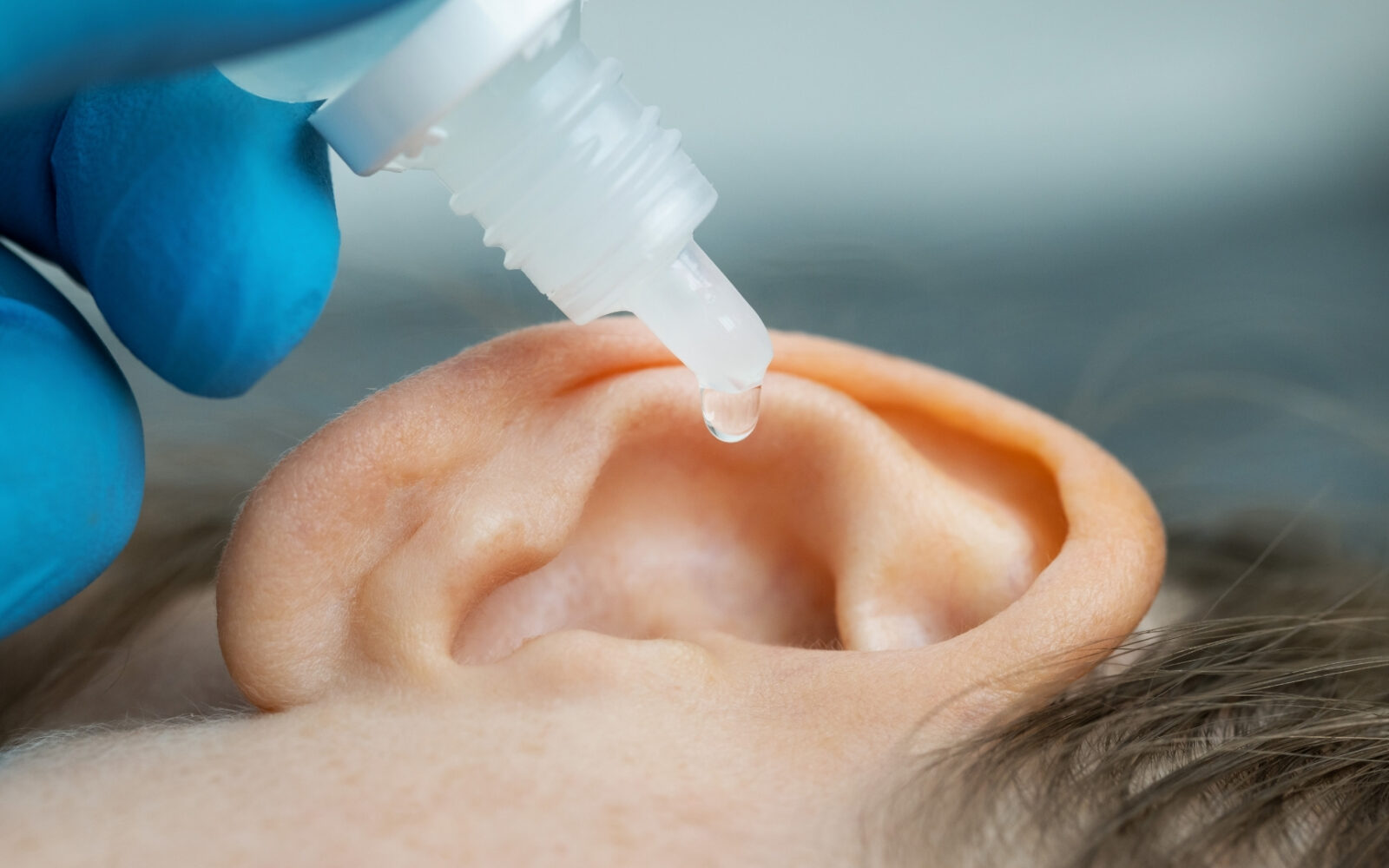
If a blockage feels soft, certain household oils can help break down the accumulation without causing damage. Placing a few drops of warm mineral oil or baby oil into the ear canal helps lubricate the area and loosen the grip of the wax.

A person should tilt the head to one side for several minutes to allow the liquid to penetrate the hardened mass. Over the course of a few days, the softened wax often migrates toward the outer ear on its own. This slow approach respects the natural anatomy of the ear while providing a path for the wax to exit.

Countering the Ear Candle Myth

Ear candles have gained popularity in alternative wellness circles, yet they offer no real benefits for hearing health. These hollow cones supposedly create a vacuum that pulls wax out, but scientific testing consistently shows this claim is false. The dark residue found inside a used candle is actually burnt wax from the candle itself, not debris from the ear.

Using these devices carries a high risk of serious burns to the face or the ear canal. Molten wax can even drip onto the eardrum, causing permanent damage that requires surgery to fix, making this a dangerous choice.

Knowing When to Step Back

Home remedies have their limits, and certain situations require the steady hand of a trained expert. If a person experiences sudden drainage, high fever, or severe dizziness, they must stop all self-treatment immediately. These symptoms often indicate an underlying infection or an injury that needs a different type of intervention.

Attempting to flush an ear that has a hole in the drum will cause extreme pain and could lead to long-term hearing loss. Recognizing the boundary between a simple clog and a medical concern ensures that the ears remain functional and healthy for years to come.

Taking Action for Clearer Hearing

Living with a blockage can feel isolating, but regaining clarity is a straightforward process once the right steps are taken. When home methods fail to provide relief, a professional cleaning offers a quick and painless way to restore sound.

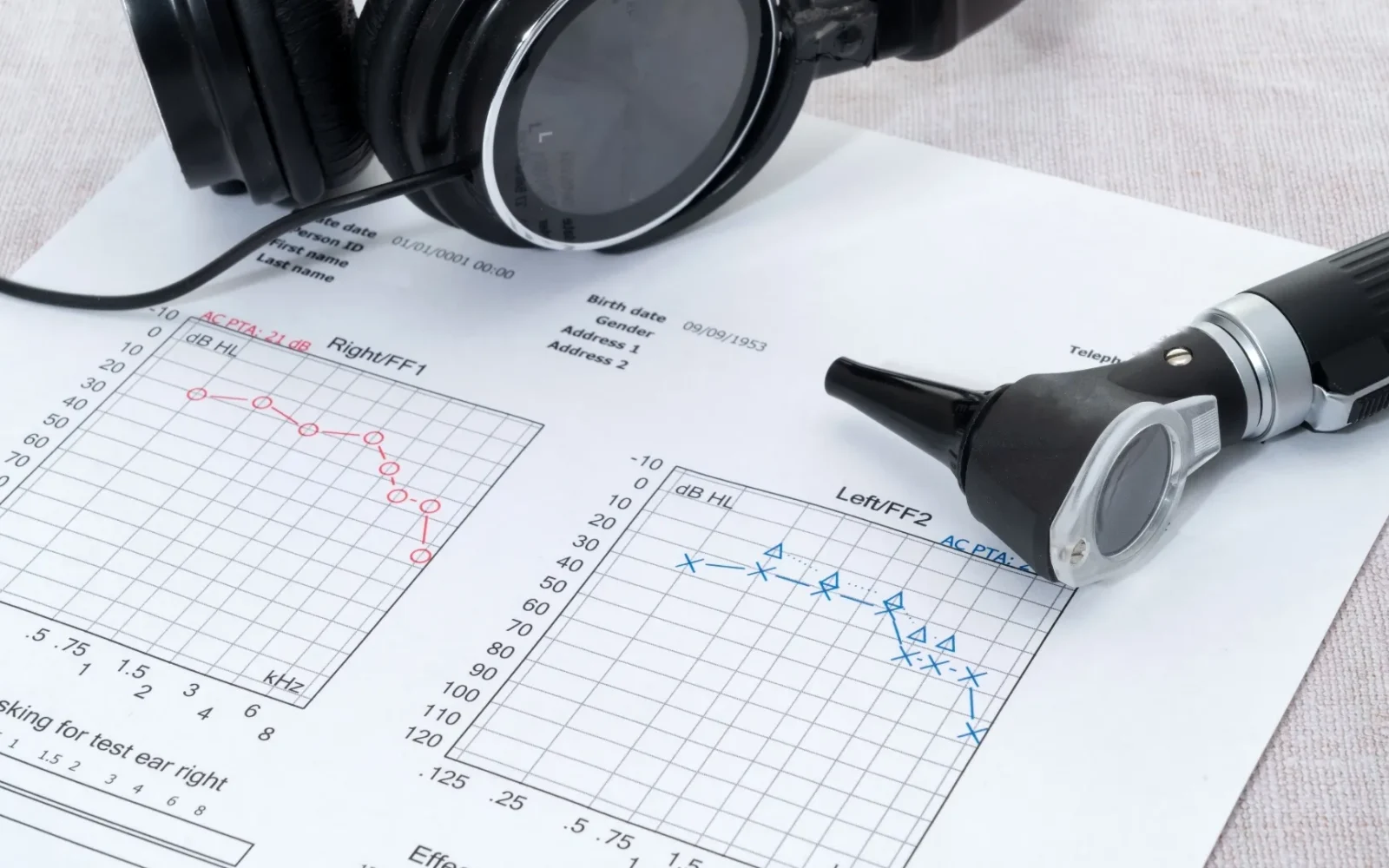
At Audiology Services Inc., we use specialized tools and gentle irrigation techniques to remove obstacles without any risk to your ear. If you’re experiencing muffled sounds or ear pressure, please contact us and schedule an appointment for an immediate solution.